
 Editorial Team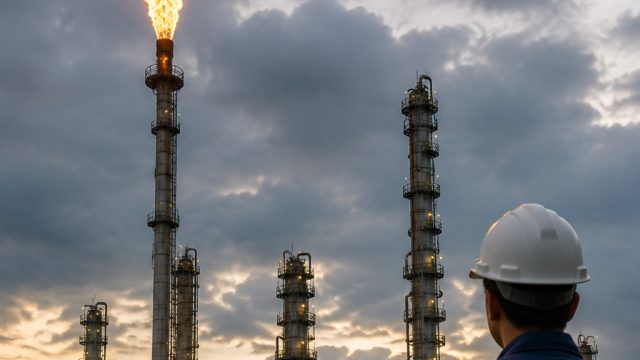
In a troubling report released by the World Bank, it has been revealed that gas flaring has surged for the third consecutive year. This alarming trend signifies not just an ongoing energy dilemma but also poses serious environmental threats. As the global community grapples with the consequences of climate change, the implications of rising gas flaring rates cannot be overlooked.
The Current State of Gas Flaring
Gas flaring, the controlled burning of natural gas that is released during oil extraction, has escalated at an unprecedented rate. In the latest analysis, data showed an increase in the total volume of gas flared worldwide, reversing years of progress in reducing this harmful practice. This development raises critical questions about energy production and environmental stewardship.
What Contributes to Increased Gas Flaring?
- Increased Oil Production: As oil extraction ramps up in many regions, so does the accompanying gas flaring due to inadequate infrastructure.
- Market Volatility: Fluctuating oil prices often lead to economic pressures that push companies toward quicker extraction methods, often at the expense of environmental practices.
- Lack of Regulations: In many countries, insufficient regulations enable companies to prioritize short-term profits over long-term sustainability.
The Environmental Impact of Gas Flaring
The rise in gas flaring has significant environmental implications. The burning of gas emits carbon dioxide and other pollutants that contribute to air quality degradation and climate change. As nations commit to reducing their carbon footprints, the rising trend of flaring is in direct contradiction to these efforts.
Consequences for Climate Change
Gas flaring contributes to greenhouse gas emissions, exacerbating the climate crisis. Recent reports suggest that:
- It releases approximately 300 million tons of CO2 into the atmosphere each year.
- Flaring can lead to acid rain, which adversely affects soil and water sources.
- It contributes to global warming, worsening extreme weather conditions.
What Can Be Done? Solutions and Innovations
Addressing the issue of gas flaring requires collective efforts from governments, corporations, and individuals. Here are some potential solutions:
- Investment in Infrastructure: Enhancing infrastructure for gas capture and utilization can significantly reduce the need for flaring.
- Regulatory Frameworks: Strengthening regulations around gas flaring can help hold companies accountable for their environmental impacts.
- Advancements in Technology: Innovative technologies that transform flared gas into usable energy can minimize waste and maximize efficiency.
Conclusion: The Call to Action
The increase in gas flaring highlighted by the World Bank is a wake-up call for the global community. As we face the realities of climate change, addressing gas flaring is critical in our transition toward a sustainable energy future. It is essential for us to advocate for stronger regulations, support technological innovations, and invest in sustainable practices. Together, we can work towards reducing gas flaring and its adverse impacts on our planet.

 published on 2026-07-10