
 Editorial Team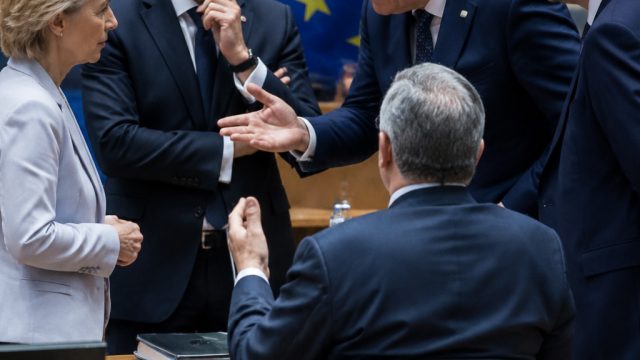
Tensions Rise at EU Summit Over Migration Policies
During the recent European Union summit, a significant confrontation unfolded between Italian Prime Minister Giorgia Meloni and Spanish Prime Minister Pedro Sanchez regarding the urgent and sensitive issue of migration. This public debate not only highlighted the differing approaches of two major EU countries but also underscored the mounting pressure on European leaders to find a unified stance on migration.
The Context of the Debate
As the EU grapples with a surge in migration, the divide between member states regarding how to manage influxes has become increasingly pronounced. Italy, under Meloni's leadership, has adopted a stringent approach towards migrants, emphasizing border security and stricter regulations. On the other hand, Sanchez’s Spain has shown a willingness to accept more refugees and engage in humanitarian efforts. This ideological clash raises important questions about the future of EU migration policy.
A New Wave of Migrants
The ongoing conflict in various regions worldwide, combined with economic hardships, is driving many individuals toward Europe. These factors are contributing to a new wave of migrants seeking refuge. As such, both Italy and Spain are bearing the brunt of this situation, leading to differing public sentiments and political responses.
Key Issues at Stake
- Humanitarian Obligations: The need to adhere to international humanitarian laws while managing borders effectively.
- National Security: Concerns about the implications of uncontrolled migration on security and social cohesion.
- Political Repercussions: The potential impact of migration policies on domestic politics and elections in both countries.
The Clash at the Summit
During the summit, Meloni and Sanchez engaged in a heated exchange that caught the attention of other EU leaders. Prime Minister Meloni reiterated her stance that Italy cannot shoulder the burden of migration alone and called for a more equitable distribution of migrants across the EU. Sanchez countered by arguing for a more compassionate approach, advocating for the rights of migrants and the need for collaborative solutions.
Public Reactions
The public's reaction to this summit confrontation has been mixed. In Italy, many citizens support Meloni's hardline approach, reflecting growing concerns over national security and identity. Conversely, in Spain, Sanchez's approach resonates with those who prioritize humanitarian efforts and social responsibility, leading to a deep divide in public opinion on migration.
What This Means for the EU
The clash between Italy and Spain at the EU summit represents a larger issue facing the European Union as it struggles to create a cohesive migration strategy. As countries take polarizing positions, the EU risks further fragmentation, which could weaken its overall effectiveness in managing migration challenges.
Future Implications
The disagreements highlighted at the summit are unlikely to resolve soon. As migration numbers continue to rise, the EU will have to confront critical questions about:
- How to balance national interests with collective EU responsibilities.
- The need for a standardized approach to migrant processing and asylum claims.
- The potential for increased populism and anti-immigrant sentiment across Europe.
Conclusion
The recent summit has shed light on the growing divide among EU nations regarding migration policies. As Italy and Spain navigate their respective challenges, it is clear that a unified approach is crucial for not only addressing the immediate concerns of migration but also for the long-term stability and unity of the European Union. The stakes are high, and how leaders respond now will shape the future landscape of Europe.

 published on 2026-07-13