
 Editorial Team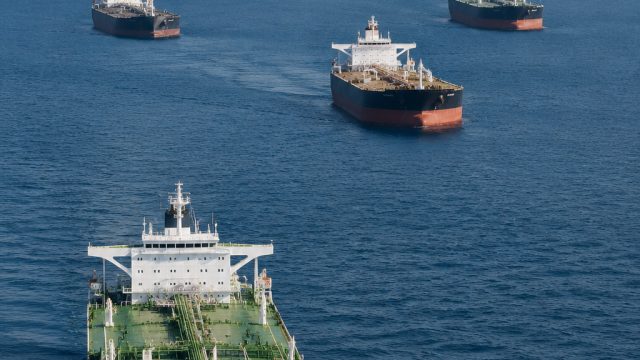
The Strait of Hormuz, a narrow passage linking the Persian Gulf with the Arabian Sea, serves as a critical chokepoint for global oil transportation. Recent statements from U.S. Senator Marco Rubio emphasize that Iran will not be permitted to impose tolls on vessels navigating this vital waterway. This assertion raises a host of questions regarding Iran’s maritime ambitions and the broader implications for international trade.
The Strait of Hormuz: A Vital Trade Corridor
Approximately one-fifth of the world’s oil passes through the Strait of Hormuz, making it a linchpin in global energy supply chains. The waterway is pivotal not only for oil but also for liquefied natural gas (LNG) shipments, thereby affecting energy prices worldwide. Given the current geopolitical climate, the security and free passage through this strait become paramount, invoking the need for international cooperation.
Why Iran's Control Matters
Iran's strategic location at the strait gives it significant leverage over global shipping. The potential for Iran to charge tolls could disrupt trade and elevate shipping costs, leading to inflationary pressures worldwide. If Iran were to gain the ability to impose such fees, it could create a precedent for other nations to follow suit, threatening the principle of free navigation in international waters.
Current Geopolitical Dynamics
The geopolitical landscape surrounding the Strait of Hormuz has changed dramatically in recent years, particularly with heightened tensions due to nuclear negotiations and sanctions. As the West continues to maneuver against Iran's ambitions, the potential for conflict or disruption in this region remains a concern for global markets.
Impact of Sanctions on Iran's Maritime Activities
- Economic Constraints: Ongoing sanctions have severely limited Iran’s economic capabilities and its ability to engage fully in maritime trade.
- Maritime Disputes: Increased naval presence from multiple countries in the region raises the stakes for Iranian shipping activities.
- Regional Alliances: Iran's relationship with other countries, such as Russia and China, could potentially embolden its actions in the Strait.
The Role of International Agreements
International treaties play a crucial role in maintaining peace and ensuring safe navigation through the Strait of Hormuz. The United Nations and various coalitions aim to create frameworks that promote stability, thereby discouraging any unilateral actions by Iran that could threaten maritime security.
Future Prospects for the Strait
As the world becomes increasingly interconnected, the implications of Iran's involvement in the Strait of Hormuz cannot be overstated. Clear communication among nations and adherence to international law will be vital in managing tensions. The stakes are high, and the consequences of miscalculation could be dire, not just for the countries involved but for the global economy.
Conclusion: The Need for Vigilance
Senator Rubio's statement acts as a reminder of the intricate balance of power in the Strait of Hormuz. With the potential for rising tensions, it is imperative for global leaders to remain vigilant and proactive in their diplomatic engagements. As the world watches, the fate of shipping routes and energy supplies hangs in the balance, underscoring why this topic matters now more than ever.

 published on 2026-07-13