
 Editorial Team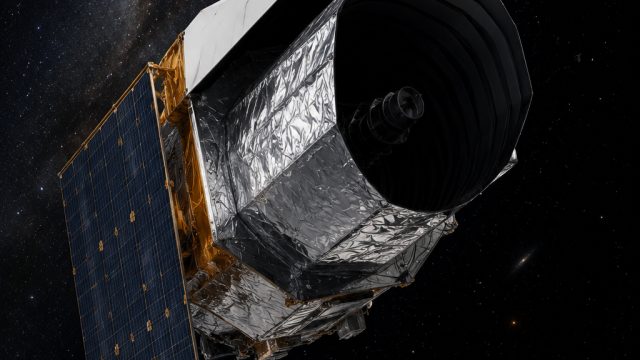
NASA's Nancy Grace Roman Space Telescope has officially arrived in Florida, marking a significant milestone in the quest to expand our understanding of the universe. Positioned at the Kennedy Space Center, this state-of-the-art telescope is set to embark on its mission following a highly anticipated launch aboard a SpaceX Falcon Heavy rocket this summer.
Unlocking the Secrets of the Universe
The Roman Space Telescope, valued at $4.3 billion, symbolizes the next generation of astronomical research. With its ability to survey the cosmos, it aims to unlock the mysteries of dark energy and dark matter, phenomena that constitute approximately 95% of the universe yet remain largely unexplored. This is particularly timely as scientists seek innovative ways to decode the fabric of our universe, and the Roman telescope is poised to play a key role in this endeavor.
An Advanced Eye on Cosmic Phenomena
Unlike conventional telescopes, the Roman telescope features aWide Field Instrument (WFI) that can capture a broader view of the sky. Here’s how it stands out:
- Wide Field Capability: The WFI enables the telescope to observe large sections of the sky, facilitating the discovery of exoplanets and other celestial bodies.
- High Sensitivity: Its advanced sensors are designed to detect faint light, allowing for the study of distant galaxies and cosmic events.
- Multiple Survey Modes: The telescope can conduct various types of surveys, enhancing its versatility in astronomical research.
Collaboration with SpaceX
The upcoming launch is a collaboration between NASA and SpaceX, highlighting a new era of partnerships in space exploration. Falcon Heavy, known for its reliability, will transport the Roman telescope into orbit, where it will commence its mission to gather unprecedented data about the universe.
What Makes This Launch Significant?
The Roman Space Telescope is not just another satellite; it represents a culmination of years of research and development. Its arrival in Florida is a crucial preparatory step, as scientists and engineers work to ensure that everything is in place for a successful launch. This endeavor is critical for several reasons:
- Enhancing Our Understanding: The data collected will significantly advance our knowledge of astrophysics.
- International Collaboration: The project involves scientists from around the world, fostering global partnerships in astronomy.
- Inspiring Future Generations: The mission is expected to ignite interest in STEM fields among young people.
Looking Ahead: The Future of Astronomy
As the Roman Space Telescope prepares for its launch this summer, anticipation builds within the scientific community and among the public. The insights gained from its observations could reshape our understanding of the universe's structure and origins. The telescope's mission aligns perfectly with current trends in space exploration, emphasizing the importance of innovation and collaboration.
The Broader Impact on Scientific Research
In recent years, there has been a surge of interest in both amateur and professional astronomy, driven primarily by advancements in technology and public access to space data. The Roman telescope's findings will not only enhance academic research but also provide valuable information for enthusiasts around the world. This democratization of space knowledge is crucial in an era where understanding our universe is more relevant than ever.
Conclusion
NASA's Nancy Grace Roman Space Telescope symbolizes a significant leap forward in our quest to comprehend the universe. With its capabilities set to revolutionize astronomical research, the upcoming launch aboard a SpaceX Falcon Heavy rocket is not just a technical achievement; it's a beacon of hope for scientific discovery. As we stand on the brink of this new era, the potential for transformative insights into the cosmos awaits, inviting both experts and enthusiasts alike to engage in the wonders of space.

 published on 2026-07-09