
 Editorial Team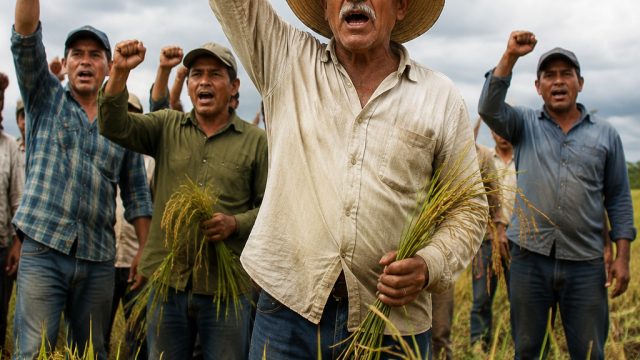
On June 22, 2026, a significant protest unfolded in Calabozo, Guárico state, as hundreds of rice producers took to the streets to demand immediate government intervention to secure their livelihoods. The 'tractorazo,' a demonstration marked by the blockade of one of the state's key highways using tractors and heavy machinery, highlighted the urgency of their situation amid rising competition from agribusiness imports and pervasive economic instability.
The Heart of the Protest: Local Farmers Unite
The gathering drew attention not only to the farmers' plight but also to broader economic issues plaguing Venezuela. The protesters voiced their concerns over the influx of imported rice, which they argue undermines local production and threatens their survival. Many farmers expressed feeling sidelined by government policies that favor larger agribusiness entities over local agriculturalists.
Economic Context and Its Impact on Agriculture
Venezuela's economic framework has faced severe challenges in recent years, characterized by hyperinflation and a declining oil sector. As a result, local farmers are grappling with increased production costs, limited access to essential resources, and fluctuating market prices. The protest served as a reminder of the pressing need for a reevaluation of current agricultural policies.
What Farmers Are Demanding
- Stricter regulations on agribusiness imports to protect local rice production.
- Government subsidies to help offset rising costs and support sustainable farming practices.
- Transparent pricing mechanisms to ensure fair compensation for local farmers.
- Increased access to resources, including seeds and fertilizers, necessary for production.
The Role of Community in Agricultural Sustainability
Local communities play a pivotal role in maintaining agricultural sustainability. By coming together, farmers are not only amplifying their voices but also showcasing the importance of local production in addressing food security. Many community members joined the protest, emphasizing the need for collective action to foster a better environment for agriculture in Venezuela.
Ways Communities Can Support Local Farmers
- Buying directly from local producers at farmers' markets.
- Participating in cooperatives that promote local agricultural products.
- Advocating for policies that favor small-scale farming and local food systems.
The Future of Rice Farming in Venezuela
The future of rice farming in Venezuela hangs in the balance. As farmers continue to rally for support, the outcome of their advocacy could shape agricultural policies for years to come. It is crucial for the government to recognize the contributions of local farmers and implement strategies that will not only protect their interests but also support the nation's economy.
Potential Outcomes of the Protest
While the immediate effects of the protest are yet to be seen, there are several potential outcomes that could arise:
- Increased government dialogue with local agricultural sectors.
- Reassessment of import policies to favor local production.
- Enhanced financial support for small-scale farmers.
Conclusion: A Call for Action
The recent protest by Venezuelan rice farmers is a crucial call to action for both the government and society at large. With a focus on sustaining local agriculture, the voices of these farmers should serve as a catalyst for change in agricultural policy. As the nation strives for economic recovery, supporting local agriculture will be vital in ensuring food security and promoting a resilient economy. It is a pivotal moment for Venezuela, and how the government responds could determine the future of agriculture in the region.

 published on 2026-07-14