
 Editorial Team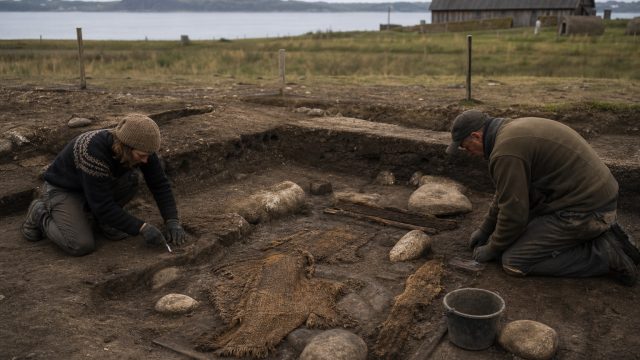
The recent discovery of a large textile production site from the Viking era in Denmark is revealing fascinating insights into the craftsmanship and daily life of a culture renowned for its seafaring and trading prowess. As archaeologists delve deeper into this monumental find, the implications for our understanding of Viking society and commerce are becoming increasingly significant.
A Groundbreaking Discovery
Located near the town of Højbjerg, this textile site is believed to date back over a thousand years. Excavations have unveiled numerous tools and remnants that indicate an extensive textile industry thriving during the Viking Age. The sheer size of the site is remarkable, suggesting that it was not just a small operation but a major hub for textile production.
Significance of the Find
- Historical Insights: The artifacts discovered provide valuable clues about the techniques and materials used in textile production, highlighting the Vikings' advanced skills.
- Cultural Context: Understanding how textiles were produced can illuminate aspects of Viking trade relations and everyday life.
- Economic Impact: This site may reshape perceptions of the economic structures in place during the Viking Age, indicating a thriving industry that went beyond mere domestic use.
What the Artifacts Reveal
The excavation team has found weaving tools, spindles, and remnants of cloth that showcase the complexity of Viking textile production. These artifacts are essential in piecing together how Vikings created their garments, which were not only functional but also symbolic of status and identity.
The Art of Weaving
Weaving was an intricate craft that required significant skill and time. By analyzing the tools and techniques left behind, researchers can better understand the processes involved in turning raw materials into high-quality textiles. This knowledge also helps historians appreciate the social dynamics within Viking communities, including gender roles, as many of these textile-related tasks were traditionally assigned to women.
Implications for Modern Understanding
The discovery of the Viking textile production site has implications that extend well beyond the realm of history. It fosters a renewed interest in ancient crafts and can inspire contemporary artisans and historians alike. Moreover, as we explore these findings, we challenge preconceived notions about the Vikings as mere warriors and raiders. Instead, we see a multifaceted society rich in culture and innovation.
Broader Archaeological Context
This finding aligns with a growing trend in archaeology that emphasizes the need to explore everyday life in ancient societies. As more sites are uncovered, the Viking narrative continues to evolve, revealing a culture that was as adept at trade and craftsmanship as it was at exploration.
Conclusion: A Window into the Past
The recent archaeological discoveries in Denmark serve as a vital reminder of the complexities of Viking society and its contributions to European history. As research continues at the site, further insights will undoubtedly emerge, enriching our understanding of an era that has long captivated the imagination. For those interested in the intricacies of ancient cultures, this discovery is not just an academic milestone but a bridge connecting us to our shared past.

 published on 2026-07-14