
 Editorial Team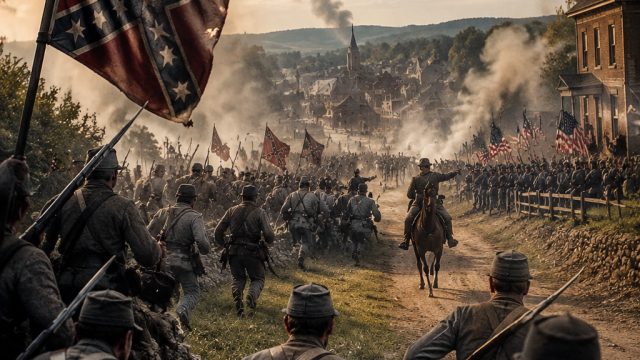
The summer of 1863 marked a pivotal moment in American history, particularly with the Confederate army's incursion into northern territory. Understanding this event’s widespread implications provides insights into the socio-political climate of the time and its lasting effects on the United States.
The Prelude to Invasion: Tensions Rising
In the months leading up to June 1863, tensions between the Union and Confederate states had escalated. The Confederate leadership, under General Robert E. Lee, aimed to shift the war's tide by invading Pennsylvania. This bold move was intended to relieve pressure on Virginia, provide a boost to Southern morale, and potentially sway foreign support in favor of the Confederacy.
Strategic Importance of Pennsylvania
- Industrial Hub: Pennsylvania was a significant industrial and transportation center.
- Political Symbolism: A successful invasion could alter political landscapes.
- Resource Access: Control over Northern resources was a strategic advantage.
Public Sentiment and Reaction
As news of the impending invasion spread, a wave of anxiety swept through the northern states. The prospect of Confederate troops marching into Pennsylvania stirred fear and urgency among communities and led to widespread mobilization efforts.
Mobilization of Troops
In response to the threat, local militias and Union soldiers were called into action. Cities began to fortify defenses, while volunteers enlisted in record numbers, driven by the desire to protect their homes and way of life.
This moment of urgency also highlighted the growing divide in American society, as debates flared over issues such as states' rights, slavery, and the overarching quest for unity. As the nation braced for battle, the moral and ideological stakes of the conflict became more pronounced.
The Outcome and Its Implications
Despite the initial successes of the Confederate forces, the invasion culminated in the catastrophic Battle of Gettysburg from July 1 to July 3, 1863. This confrontation not only marked a significant turning point in the Civil War but also solidified the North's commitment to preserving the Union.
Lessons Learned from the Invasion
- Military Strategy: The invasion underscored the importance of logistics, intelligence, and troop morale.
- Public Support: The North's resilience demonstrated the depth of commitment to the Union cause.
- Political Ramifications: The events of Gettysburg would significantly influence public opinion and political leadership.
Why This Matters Today
Reflecting on the 1863 Rebel invasion provides contemporary society with valuable lessons regarding unity and resilience in the face of division. As we navigate modern challenges, the historical context of such events reminds us of the importance of understanding our past to inform our future.
The examination of historical invasions and their consequences remains ever-relevant. As new generations encounter divisive issues, taking stock of how our ancestors responded to crises can guide our decisions and societal direction. Recognizing these patterns is crucial in fostering dialogue and cooperation among diverse groups.
Conclusion
The Rebel invasion of the North in 1863 serves not only as a significant military campaign but also as a mirror reflecting the complexities of American society. By studying this critical moment, we honor the sacrifices made while advocating for a deeper understanding of our historical trajectory.

 published on 2026-07-13