
 Editorial Team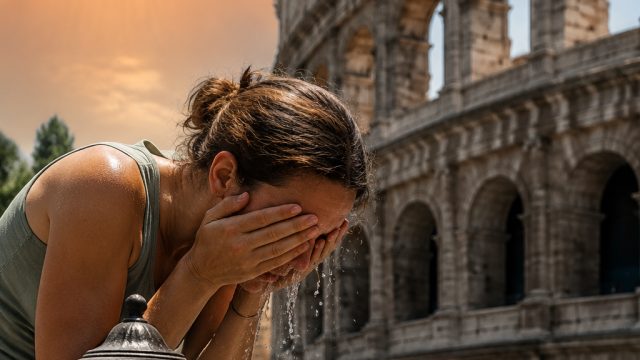
As Europe grapples with a relentless heatwave, authorities and citizens alike are facing the harsh realities of climate change. The current temperatures are not just a fleeting summer heat but a significant indicator of the increasing frequency of extreme weather patterns. It's crucial to understand the implications of this heatwave and to explore effective strategies to cope with its effects.
Understanding the Current Heat Situation
This summer, Europe is witnessing temperatures soaring to unprecedented highs, with many regions shattering long-standing records. From the sun-soaked beaches of Spain to the bustling streets of Paris, the impact of this 'Omega' heatwave is felt everywhere. Meteorologists have warned that this could be just the tip of the iceberg as climate models indicate even more severe patterns in the future.
Reasons Behind the Heatwave
- Climate Change: Accelerating global temperatures lead to more extreme weather conditions.
- Atmospheric Patterns: The Omega high-pressure system traps heat in the region, causing sustained high temperatures.
- Urbanization: Cities often experience heat island effects, amplifying the temperature rise.
The Human Cost of Extreme Heat
The human toll of this relentless heatwave is alarming. Reports indicate an increase in health-related emergencies, particularly among vulnerable populations such as the elderly and those with pre-existing health conditions. In France, for instance, officials have noted a troubling rise in drownings as people flock to water bodies to escape the heat. This phenomenon underscores the necessity for immediate action and preparedness.
Health Risks During Heatwaves
- Heat Exhaustion: Symptoms include heavy sweating, weakness, and dizziness.
- Heat Stroke: A severe condition that requires immediate medical attention.
- Dehydration: Increased risk of dehydration when temperatures rise.
Mitigation Strategies and Preparedness
In response to this growing crisis, government officials and health agencies are implementing various strategies to protect citizens from the heat. These measures include:
- Cooling Centers: Establishing public spaces air-conditioned for residents without access to cooling.
- Public Awareness Campaigns: Educating residents on the signs of heat-related illnesses and preventive measures.
- Water Accessibility: Ensuring that drinking water is readily available at public locations.
Community Involvement
Community initiatives play a vital role in combating the effects of heatwaves. Neighbors are encouraged to check on each other, particularly the elderly or those living alone. Engaging local organizations can enhance support systems for at-risk populations.
Looking to the Future: Climate Solutions
As we brace for continued changes in our climate, it is essential to explore sustainable solutions. From enhancing green spaces in urban areas to investing in renewable energy, proactive measures can help mitigate the impacts of climate change and, in turn, reduce the severity of future heatwaves.
Key Areas for Focus
- Urban Planning: Implementing designs that incorporate greenery and water features.
- Renewable Energy: Transitioning to sustainable energy sources to reduce emissions.
- Community Resilience: Building stronger networks to support vulnerable populations during extreme weather events.
Conclusion: The Urgency of Action
The current heatwave is not merely a seasonal event; it is a wake-up call urging us to address the broader implications of climate change. As Europe faces these extreme temperatures, it is crucial to take comprehensive action to protect lives and build resilient communities. Everyone has a role to play in fostering a sustainable future, and now is the time to act. By staying informed and prepared, we can better navigate the challenges posed by our changing climate.

 published on 2026-07-11