
 Editorial Team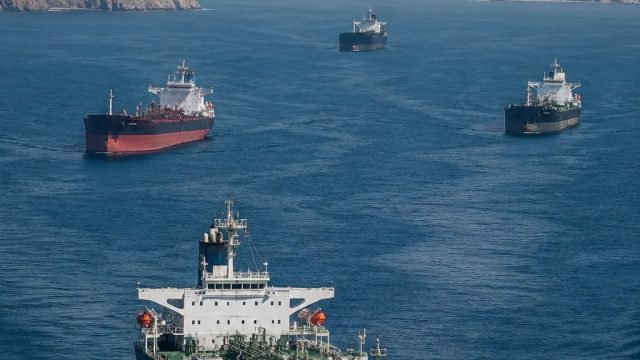
The Strait of Hormuz, a vital maritime corridor, has seen a notable surge in commercial traffic recently. This uptick comes at a time when the United States and Iran are attempting to ease longstanding tensions over nuclear monitoring. However, conflicting reports from both nations have left many questions unanswered.
Current State of Maritime Traffic
As global trade and energy supplies depend heavily on this narrow waterway, the increase in shipping activity is significant. The Strait of Hormuz is a critical passage for oil and gas shipments, making its stability crucial for the global economy. According to recent reports, at least two dozen vessels have been observed navigating these waters, indicating a shift from previous months when traffic was considerably lower due to geopolitical tensions.
Reasons Behind the Increase
- De-escalation of Tensions: Efforts from both the U.S. and Iran to create a more amicable atmosphere have contributed to the rise in maritime traffic.
- Economic Recovery: As global economies recover post-pandemic, trade routes are becoming busier, with the Strait of Hormuz being a focal point.
- Energy Demand: With increasing global energy demands, especially in Asia, the flow of oil through this route is paramount.
U.S. and Iran’s Divergent Narratives
Despite the increase in commercial traffic, the relationship between the U.S. and Iran remains complicated. While both nations are publicly advocating for a reduction in hostilities, their interpretations of the situation differ significantly. Recent discussions have centered around the potential return of nuclear monitors to Iran, a move that could foster greater security in the region.
Conflicting Information
U.S. officials have suggested that Iran is open to having international observers back in the country, while Iranian representatives have vehemently denied such claims. This discrepancy not only highlights the fragility of the negotiations but also raises concerns regarding safety in the Strait of Hormuz.
Impact on Shipping and Global Trade
The increase in traffic through the Strait of Hormuz has implications beyond just the immediate region. A stable shipping environment is essential for global commerce, particularly for countries relying on oil imports. If tensions were to escalate once again, the repercussions could ripple through the world economy.
Potential Consequences of Renewed Tensions
- Increased Shipping Costs: Heightened geopolitical uncertainties often lead to increased insurance and fuel costs for shipping companies.
- Supply Chain Disruptions: Any conflict in the Strait could disrupt global supply chains, especially in the energy sector.
- Market Volatility: Financial markets tend to react sharply to instability in oil supply routes, potentially leading to significant price fluctuations.
Future Considerations and Conclusion
As we observe the rising traffic through the Strait of Hormuz, it is imperative to monitor the evolving dynamics between the U.S. and Iran. The situation serves as a reminder of how interconnected global trade is with regional stability. Understanding these nuances not only helps in navigating the current landscape but also in preparing for future developments.
In conclusion, while the increase in maritime traffic may seem like a positive sign of economic activity, the underlying tensions between the U.S. and Iran are a critical factor that must be taken into account. Stakeholders in shipping and global trade should remain vigilant as they navigate this complex environment.

 published on 2026-07-10