
 Editorial Team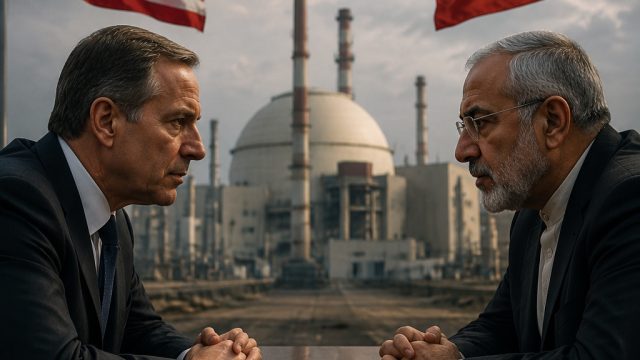
The ongoing diplomatic tensions between the United States and Iran have escalated recently, particularly surrounding claims about nuclear inspections that both nations are presenting in starkly different lights. With the potential for a global diplomatic crisis hanging in the balance, understanding the nuances of this dispute is crucial.
Conflicting Narratives
At the heart of the controversy lies conflicting narratives regarding whether Tehran has consented to international nuclear inspections. President Trump has publicly asserted that Iran has made significant concessions in negotiations, claiming that Tehran has “completely agreed” to allow inspections of its nuclear facilities. However, Iranian officials are vehemently denying these assertions, insisting that there have been no such agreements.
Iran's Position
Iran's stance is rooted in its broader strategy of maintaining sovereignty over its nuclear program. The Iranian government has repeatedly emphasized that any inspections or agreements must respect its rights under international law. This insistence on sovereignty is a key aspect of Iran's diplomatic approach, as it seeks to navigate a complex geopolitical landscape while minimizing external pressures.
The US Perspective
On the other hand, the United States, under Trump's administration, has taken a hardline approach, aiming to exert maximum pressure on Tehran. The U.S. strategy emphasizes the need for stringent oversight to prevent Iran from developing nuclear weapons capabilities. Trump's claims of concessions are part of a broader narrative aimed at showcasing U.S. foreign policy achievements to domestic audiences.
Implications for Global Diplomacy
The discrepancies in accounts between the U.S. and Iran have significant implications for global diplomacy. As negotiations stall, allies and adversaries alike are closely monitoring the situation. The potential for military escalation remains a concern, as both nations have vested interests in the outcome of these talks.
Impact on International Relations
- Strengthening of alliances: Countries that view Iran's nuclear ambitions with skepticism may move closer to the U.S., potentially leading to new coalitions.
- Increased tensions in the Middle East: A lack of agreement could lead to heightened military readiness in the region, causing ripple effects in international relations.
- Economic ramifications: Sanctions and trade dynamics could be significantly affected by the evolving diplomatic landscape, impacting global markets.
The Role of Public Opinion
Public sentiment in both the U.S. and Iran plays a crucial role in shaping government stances on this issue. In the U.S., Trump's administration relies on a narrative that frames negotiations in a way that appeals to his political base, while in Iran, the government must balance international pressures with domestic expectations.
Media's Influence
The role of media cannot be understated in this dispute. Various outlets are covering the situation differently, leading to diverse interpretations among the public and policymakers. Coverage ranges from highlighting potential diplomatic breakthroughs to emphasizing the dangers of military confrontation.
Conclusion
As the U.S. and Iran remain entrenched in their positions, the need for clarity and negotiation is more pressing than ever. This dispute over nuclear inspections not only affects the immediate parties involved but also has far-reaching implications for global security and diplomacy. As developments unfold, it is essential for observers and stakeholders to stay informed and engaged, as the outcomes may reshape the dynamics of international relations in the years to come.

 published on 2026-07-13