
 Editorial Team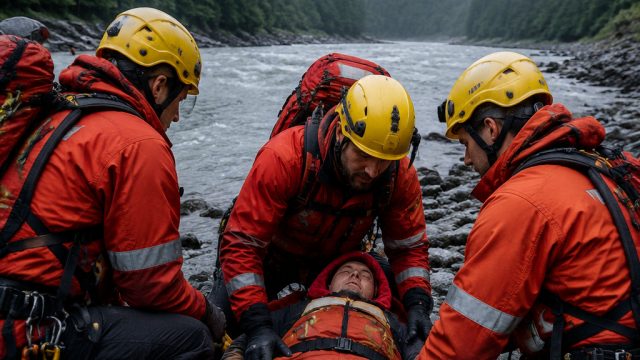
In recent years, the landscape of volunteerism in search and rescue (SAR) has undergone significant transformations, influencing how communities respond to emergencies. The emergence of new technologies, shifts in societal expectations, and legal complexities have all contributed to this evolving environment. This article delves into the current state of volunteerism in SAR, emphasizing its importance in ensuring community safety.
Shift in Volunteer Dynamics
Traditionally, volunteerism in search and rescue was primarily seen as a community-centric initiative, often involving local citizens equipped with basic skills and a passion for helping others. However, recent trends indicate a marked shift in this dynamic. Communities are now increasingly relying on organized volunteer groups that integrate advanced training and modern technology.
Technological Integration
The use of technology has revolutionized SAR operations, allowing volunteers to respond more efficiently and effectively. For example, devices such as drones and GPS systems have become vital tools in locating missing persons or assessing hazardous environments. This tech-savvy approach not only enhances the capabilities of volunteers but also fosters greater public trust in SAR operations.
- Enhanced training programs incorporating technology
- Drones for aerial surveillance and data collection
- Mobile apps for real-time coordination and communication
Legal and Ethical Considerations
Amidst these changes, there have also been growing concerns related to the legal and ethical implications of volunteerism in SAR. The recent case of Maritime and Coastguard Agency v Groom illustrates the complexities volunteers face when engaging in rescue operations. Legal liabilities and the responsibilities of SAR organizations are being scrutinized, highlighting the need for clear guidelines and protections for volunteers.
The Importance of Community Engagement
The evolving role of volunteerism in SAR is not just about rescuing individuals; it also plays a critical role in community engagement. When local citizens participate in SAR efforts, it fosters a sense of belonging and collective responsibility. This community spirit is crucial, especially in areas prone to natural disasters or emergencies.
Building Trust and Collaborative Networks
Collaborative networks between professional rescuers and volunteers can significantly improve response times and outcomes during emergencies. Community engagement initiatives can include:
- Public awareness campaigns on safety and preparedness
- Regular training sessions for volunteers
- Partnerships with local businesses and organizations
Why This Matters Now
The changing landscape of volunteerism in search and rescue is particularly significant today due to various factors, including climate change and the increase in natural disasters. As communities face more frequent emergencies, the need for a reliable and well-prepared volunteer force is crucial. Understanding this evolution is vital for ensuring that communities are protected and that volunteers are supported.
Preparing for Future Challenges
To effectively address future challenges, it is essential for SAR organizations to continuously adapt and prepare. This includes:
- Investing in volunteer training and resources
- Creating clear legal frameworks for volunteer engagement
- Utilizing innovative technologies to streamline operations
Conclusion
The landscape of volunteerism in search and rescue is undergoing significant changes, driven by technology, legal considerations, and the need for community engagement. As we move forward, it is imperative to recognize the value that volunteers bring to SAR operations. By fostering an environment that supports and empowers these individuals, we can enhance the resilience of our communities and improve safety outcomes for everyone.

 published on 2026-07-13