
 Editorial Team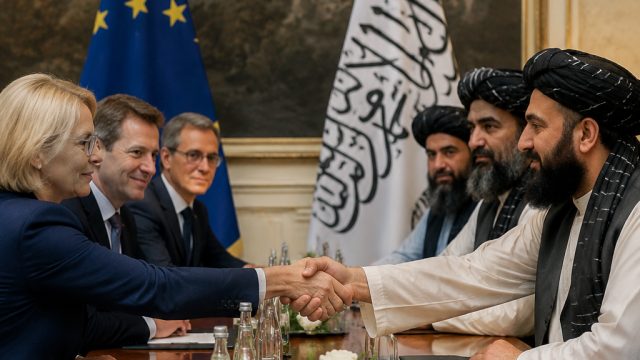
In a significant diplomatic move, the European Union has hosted a delegation from the Taliban in Brussels, marking the first official talks between the two entities focused on pressing issues such as deportations and consular access. This unprecedented engagement is raising eyebrows across the globe, as it signifies a potential shift in the EU's stance toward one of the world's most controversial governments.
Understanding the Context of the EU-Taliban Talks
After the Taliban regained control over Afghanistan in 2021, many countries, including EU member states, have struggled to navigate their relationships with the new regime. The primary goal of this recent meeting was to address ongoing deportation concerns regarding Afghan nationals who are currently in the EU but are expected to be returned to Afghanistan. With the Taliban seeking to solidify their international presence, this summit could have lasting implications.
Consular Access as a Key Agenda Item
One of the central issues discussed was the Taliban's request for consular access for Afghan citizens residing in Europe. This demand underscores the Taliban's desire to normalize their diplomatic status. For many Afghan refugees, the lack of a formal consulate has complicated their legal standing and ability to secure essential services abroad.
- Visa Challenges: Many Afghans face hurdles in securing visas due to the lack of consular representation.
- Identity Verification: The Taliban's involvement could streamline verification processes for Afghan nationals.
- Legal Assistance: Establishing a consulate may offer avenues for legal support to refugees.
International Reactions and Concerns
The talks have not gone without criticism. Various human rights organizations and political figures in Europe have expressed their concerns regarding the EU's engagement with the Taliban. Critics argue that the EU may be legitimizing a regime known for its oppressive policies, particularly towards women and ethnic minorities.
The Fine Line of Diplomatic Engagement
While the EU aims to address pressing humanitarian and legal issues, the method of engagement raises critical questions about how to balance humanitarian needs with the moral implications of dealing with the Taliban.
- Ethical Considerations: Is it right to engage with a group that has a history of human rights violations?
- Realpolitik: Many argue that engaging with the Taliban may be necessary for practical solutions.
- Potential Backlash: A large segment of the European population is against any form of recognition of the Taliban.
The Future of EU-Taliban Relations
As discussions continue, the future of EU-Taliban relations remains uncertain. While the immediate focus is on deportations and consular access, the long-term implications of this engagement could reshape international diplomatic norms concerning rogue regimes.
Potential Outcomes
There are several scenarios that could emerge from this diplomatic engagement:
- Increased Collaboration: The EU might find common ground with the Taliban on humanitarian efforts.
- Continued Stalemate: If the Taliban fails to meet international expectations, talks could falter.
- Human Rights Monitoring: The EU could implement frameworks to monitor the Taliban's adherence to human rights commitments.
Conclusion: A Pivotal Moment for Diplomacy
The EU's decision to engage with the Taliban marks a pivotal moment in international relations, especially concerning Afghanistan. As the situation unfolds, it will be crucial to monitor the implications of these talks on Afghan nationals and the broader geopolitical landscape. The world watches closely to see if this dialogue leads to a more stable and humane approach to governance in Afghanistan or if it merely legitimizes a regime with a troubling history of human rights abuses.

 published on 2026-07-09