
 Editorial Team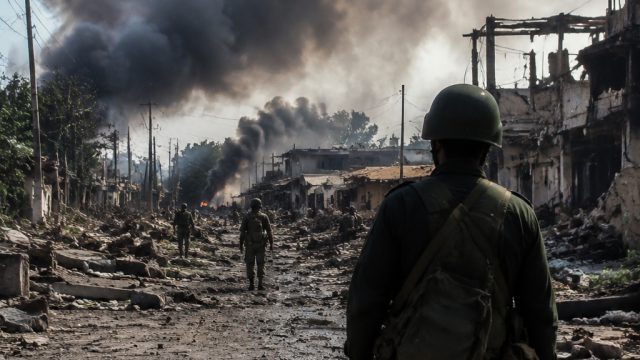
As the world grapples with significant crises in regions like Ukraine and the Middle East, the civil war in Myanmar has intensified, drawing attention to the alarming circumstances unfolding within its borders. This enduring conflict has now reached unprecedented levels of violence, resulting in a humanitarian crisis that demands global awareness and action. The escalating situation not only poses a dire threat to the local population but also has broader implications in the context of international relations and security.
Current State of the Conflict
The ongoing civil unrest in Myanmar has transitioned from sporadic violence to a full-blown conflict marked by fierce fighting between government forces and various ethnic armed groups. Recent reports indicate that military airstrikes have increased in frequency and intensity, particularly against rebel-held territories in the country’s heartland. The military’s aggressive tactics are causing widespread destruction and displacing thousands of civilians, exacerbating the already critical humanitarian situation.
Humanitarian Impact
The humanitarian ramifications of this conflict are staggering. As the situation deteriorates, many regions are becoming increasingly isolated, with residents struggling to access basic necessities:
- Food shortages: Many families are facing famine-like conditions due to disrupted supply chains.
- Healthcare access: Hospitals and clinics in conflict zones have been bombed, leaving thousands without medical care.
- Displacement: Over a million people have been forced to flee their homes, leading to overcrowded refugee camps.
Global Indifference and Its Consequences
Despite the severity of the crisis, Myanmar's plight has often been overshadowed by more prominent global conflicts. This indifference from the international community poses significant dangers not only for Myanmar but also for regional stability:
The Risk of Regional Destabilization
The civil war has the potential to spill over into neighboring countries, as armed groups within Myanmar seek refuge across borders. This could lead to a broader regional conflict, impacting nations that are already dealing with their own political and social challenges. Key considerations include:
- Refugee crises: Neighboring countries may face increased influxes of refugees, straining their resources.
- Security threats: The rise of armed groups could embolden extremist movements in the region.
- Economic implications: Trade routes and economic stability could be jeopardized by protracted conflict.
The Need for International Intervention
Given the magnitude of the crisis, immediate international intervention is crucial. There are several strategies that could be employed to improve the situation:
Proposed Solutions
- Diplomatic engagement: Countries must prioritize diplomatic efforts to bring warring factions to the negotiating table.
- Humanitarian aid: Increased funding and support for humanitarian organizations working on the ground can alleviate suffering.
- Sanctions on military leaders: Targeted sanctions may help to pressure the military regime into ceasing hostilities.
Conclusion: A Call to Action
The situation in Myanmar represents one of the most pressing humanitarian crises of our time. As violence escalates and the international community remains largely silent, the consequences of inaction will continue to reverberate. It is imperative for global leaders, organizations, and citizens alike to recognize the urgency of the situation and push for immediate action. Now more than ever, Myanmar needs our attention and support.

 published on 2026-07-10