
 Editorial Team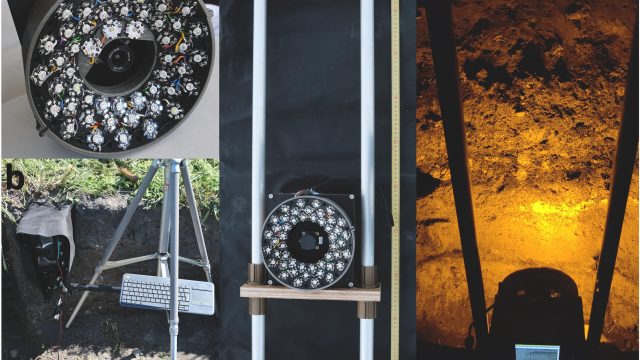
Introduction
The exploration of archaeological sites has undergone a transformative phase, especially with the integration of advanced technologies. One of the most significant breakthroughs in this realm is the application of multispectral imaging. A recent study at Sorte Muld, an Iron Age site in Denmark, has demonstrated how this technology can uncover details previously hidden from view. The implications of these discoveries extend beyond mere academic interest; they resonate with cultural heritage and preservation efforts globally, including in rapidly developing regions like Southeast Asia.
The Role of Multispectral Imaging
Multispectral imaging utilizes various wavelengths of light to capture images that reveal different materials and features within archaeological sites. This technique has proven invaluable at Sorte Muld, where traditional excavation methods have struggled to provide clear insights into the site's history. By employing a combination of LED lights and advanced data processing, researchers were able to visualize the site's features without extensive digging, preserving its integrity.
Key Findings at Sorte Muld
The study uncovered several critical elements that shed light on the Iron Age community that once inhabited this area:
- Identification of distinct soil layers indicating historical human activity.
- Detection of artifacts that were previously obscured by soil and vegetation.
- Revelation of potential burial sites through changes in soil composition.
- Mapping of ancient structures that had gone unnoticed in prior surveys.
Implications for Archaeology in Southeast Asia
As we consider the archaeological landscape in Southeast Asia, including significant countries like Indonesia, the findings from Sorte Muld highlight the potential for similar methodologies to uncover rich historical contexts. Countries within the ASEAN region, such as Indonesia, where archaeological sites abound, stand to benefit immensely from the application of multispectral imaging.
Opportunities in Indonesia
The Indonesian market is ripe for technological integration in archaeology:
- Increased research funding can support innovative projects utilizing multispectral imaging.
- Collaboration with international experts can enhance local knowledge and methodologies.
- Preservation of cultural heritage through non-invasive exploration techniques.
Challenges and Future Directions
Despite the promising results from Sorte Muld, several challenges remain in the broader application of multispectral imaging technology in archaeology. These include:
- High costs associated with advanced imaging equipment and software.
- Need for training local archaeologists to effectively use these technologies.
- Establishing protocols to integrate findings into existing archaeological frameworks.
Moving forward, the archaeological community must address these challenges to fully harness the potential of multispectral imaging. With ongoing advancements in technology, the future looks bright for archaeology, especially in regions rich with history like Southeast Asia.
Conclusion
The discoveries at Sorte Muld signal a new era in archaeological research, one that leverages technology to enhance our understanding of the past. As Southeast Asia continues to explore its rich historical tapestry, incorporating tools like multispectral imaging will be crucial. The ability to visualize and preserve archaeological sites aligns perfectly with the global push for sustainable cultural heritage management. The implications of these findings extend beyond Denmark; as we adopt similar technologies, regions such as Indonesia may uncover hidden narratives that have shaped their identities through the ages.

 published on 2026-09-04