
 Editorial Team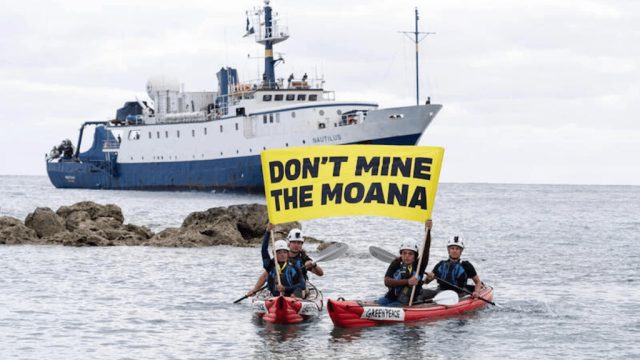
Key Takeaways
- The US funds a $102 million port in the Cook Islands for mineral extraction.
- Critics fear repercussions for seabed mining near New Zealand waters.
- Local activists advocate for stronger environmental protections.
- The deal could set a precedent for future mining ventures in the region.
- Impacts on marine life and indigenous rights are major concerns.
Introduction
Recent developments in Pacific seabed mining are drawing attention as the United States announces a substantial investment aimed at deep-sea minerals exploration. The $102 million project will enhance port facilities in the Cook Islands, a move that is seen as part of a larger strategy to secure resources in the Pacific region. While this investment may boost local economies, it simultaneously raises serious concerns about the environmental and political repercussions for neighboring nations, particularly New Zealand.
The Context of US Investment
The US funding for the Cook Islands port is part of a broader initiative to tap into the region's rich mineral deposits, which have become increasingly sought after due to their potential economic benefits. As the demand for rare earth materials grows globally, nations are competing to establish footholds in resource-rich areas. However, this has ignited debates about the sustainability of such ventures and their impact on the marine ecosystem.
Environmental Concerns
Critics of seabed mining argue that the extraction processes can cause irreparable damage to marine habitats. Essential ecosystems such as coral reefs, which play vital roles in coastal protection and biodiversity, are at risk. Research indicates that destructive mining practices can lead to sediment plumes that smother marine life and disrupt food chains. As New Zealand's waters are renowned for their rich biodiversity, the potential for negative consequences raises alarms among environmental groups and locals alike.
The Stakes for New Zealand
The investment in the Cook Islands may have implications that extend beyond its borders, particularly affecting New Zealand's marine territories. Environmentalists and local communities are voicing concerns that increasing mining activities in the Pacific could lead to encroachments into New Zealand's exclusive economic zone (EEZ). The stakes are particularly high given New Zealand's commitment to marine protection.
Indigenous Rights and Community Voices
The indigenous populations of both the Cook Islands and New Zealand are critical voices in the ongoing discussions about seabed mining. Many argue that such projects should not only consider economic factors but also respect indigenous rights and cultural values associated with the ocean. The ongoing struggle for sovereignty over marine resources is becoming a focal point as communities push back against potential exploitation.
Future Implications and Analysis
As the Pacific region becomes an increasingly attractive target for foreign investments, the need for comprehensive regulatory frameworks is more pressing than ever. The prospect of other nations following suit and targeting New Zealand’s seabed for mining raises questions about environmental governance in the region.
Call for Stronger Regulations
To safeguard marine ecosystems and uphold community rights, stakeholders are calling for stricter regulations and better governance. The need for international collaboration to protect Pacific waters is evident, as unregulated mining can lead to transboundary environmental issues that affect multiple nations. The growing awareness of these challenges is encouraging communities to unite in demand for sustainable practices.
Conclusion
The implications of the US investment in Cook Islands seabed mining are profound and multifaceted. As New Zealand grapples with the potential impacts on its waters, the situation serves as a reminder of the balance needed between economic development and environmental stewardship. The coming months will be critical in determining how these issues unfold in the Pacific, with the potential to reshape regional dynamics and policies around natural resource management.

 published on 2026-09-04