
 Editorial Team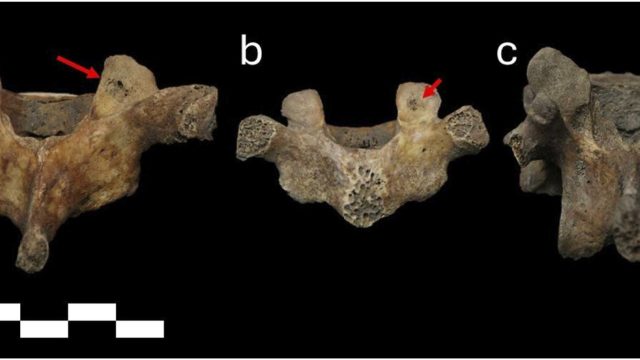
Understanding the Findings
A groundbreaking study examining the skeletal remains of 143 children from three post-medieval Dutch communities has unveiled startling insights into the health implications of rural child labor. Conducted by a team of researchers, the analysis showed that children from dairy farming villages exhibited more severe spinal wear than their counterparts from industrial mill towns. Given the current global discussions around child labor, particularly in developing regions like Southeast Asia, these findings resonate more than ever.
Key Takeaways
- The spinal health of rural Dutch children was adversely impacted by labor conditions.
- Children in dairy farming areas experienced more significant wear compared to those in factories.
- This research informs modern discussions about child labor practices globally.
- Understanding historical data can aid in shaping current child protection policies.
- Healthy child development is crucial for societies, echoing the need for better labor regulations.
Historical Context of Child Labor in the Netherlands
During the post-medieval period, child labor was commonplace in various sectors, including agriculture and manufacturing. In rural communities, children were often expected to contribute significantly to family income through labor-intensive roles. This study's focus on the skeletal remains offers a unique perspective, allowing researchers to assess how these labor conditions physically affected developing children.
The Study Methodology
The research team analyzed skeletal remains from three locations: a dairy farming village, a textile mill town, and a mixed rural area. By examining the wear patterns on the vertebrae, the researchers were able to assess the physical toll exacted by different types of labor. This comparative analysis highlighted stark differences, with the dairy village children showing pronounced spinal degeneration.
Why This Research Matters Now
In today's context, the legacy of child labor persists, particularly in parts of Southeast Asia, where economic strains force families to rely on the incomes of their youngest members. As nations like Indonesia grapple with child labor issues, understanding historical precedents provides a framework for addressing present challenges. Moreover, this research contributes significantly to the ongoing discourse about the importance of child welfare and the long-term consequences of labor on physical health.
Implications for Modern Child Labor Practices
Beyond historical curiosity, the implications of this study speak volumes for today's global landscape. As organizations and governments work towards eradicating child labor, these findings underline the critical need for implementing effective policies that prioritize children's well-being. Ensuring that children can grow up free from labor exploitation will not only improve their health outcomes but also foster sustainable development for communities worldwide.
Global Perspective on Child Labor
The issue of child labor is not confined to history; it is a modern-day concern. Countries across the ASEAN region, including Indonesia, are still battling to protect children from exploitation. The rise of industries that capitalize on cheap labor often leads to children working in hazardous conditions similar to those seen in historical studies. This study serves as a reminder that addressing child labor requires continued vigilance and proactive measures.
Conclusion
The research findings on the health impacts of rural child labor in historical Dutch communities reveal the profound consequences of child labor practices. As we face similar challenges today, it is imperative to learn from the past, ensuring the protection and health of future generations. By prioritizing children's rights and welfare, we can pave the way for a healthier, brighter future.
 published on 2026-09-04